Archive for The Book of Dust

a journal of the disruption year

Posted in Books, Kids, Mountains, pictures, Running, Travel, University life, Wines with tags , , , , , , , , , , , , , , , , , , , , , , , , , , , , , , , on February 19, 2026 by xi'an


R
ead Philip Pullman’s The Rose Dust till the last and final page! The end of a long wait and the conclusion of the trilogy… I have mixed feelings about this ending. I enjoyed most of the book with its alternative 1930’s impressions and the chaotic trek through an imaginary Middle East, but the story itself is lacking structure and strength. Especially for the final hundred pages, where the pace changed, slowing down as if to delay the finale. Suddenly the style became heavy, the story unconvincing, the characters more and more verbose, and the pages overloaded with mostly meaningless info-dump. (Warning: spoilers!) The worst was during the passage of the main characters into one alternative world, with an even heavier go at conglomerates like TP and the destruction of the rose fields and the old ways. Now that I have finished the book, I have no clear understanding of the nature of “Dust”, the importance of the rose fields, and the reasons for the actions of most of the characters… 

Cooked Brussels sprouts on 31 January, when else?! With hardly any bitterness left, once grilled! And a week-lasting vegetable curry with plenty of mushrooms and onions (and chili) while in Warwick, with the addition of a ready-made Jalfrezi sauce that proved way too mild (and originates from the British Raj, rather than genuine Bengali cuisine). As did an otherwise fantastic fish curry at Kayal, the reference Kerala cuisine in Leamington Spa and a favourite of mine in the area (along with the Korean barbecue in Coventry!). A week that also reached 100km of running, thanks to evening sessions, in preparation for the Sainte Baume trail. I also went through a scary NYT piece on the rise of food delivery in the US urban areas. With the disturbing impacts on health, budgets, pollution, socialisation, and the new Lumpenproletariat of delivery drivers. (The nadir being this story of a data analyst working a second job as a food delivery driver to pay off his debt from ordering too much food delivery! Not the most efficient data analyst around, then!)

Watched the 2018 Japanese TV show Unnatural (for Unnatural Death Investigation Laboratory, UDI Lab), featuring a group of forensic scientists with enough personal issues to feed the ten episodes. Very light despite the setting, always far from realistic, but rather homely and pleasant for its (indirect) depiction of modern societal issues in Japan.
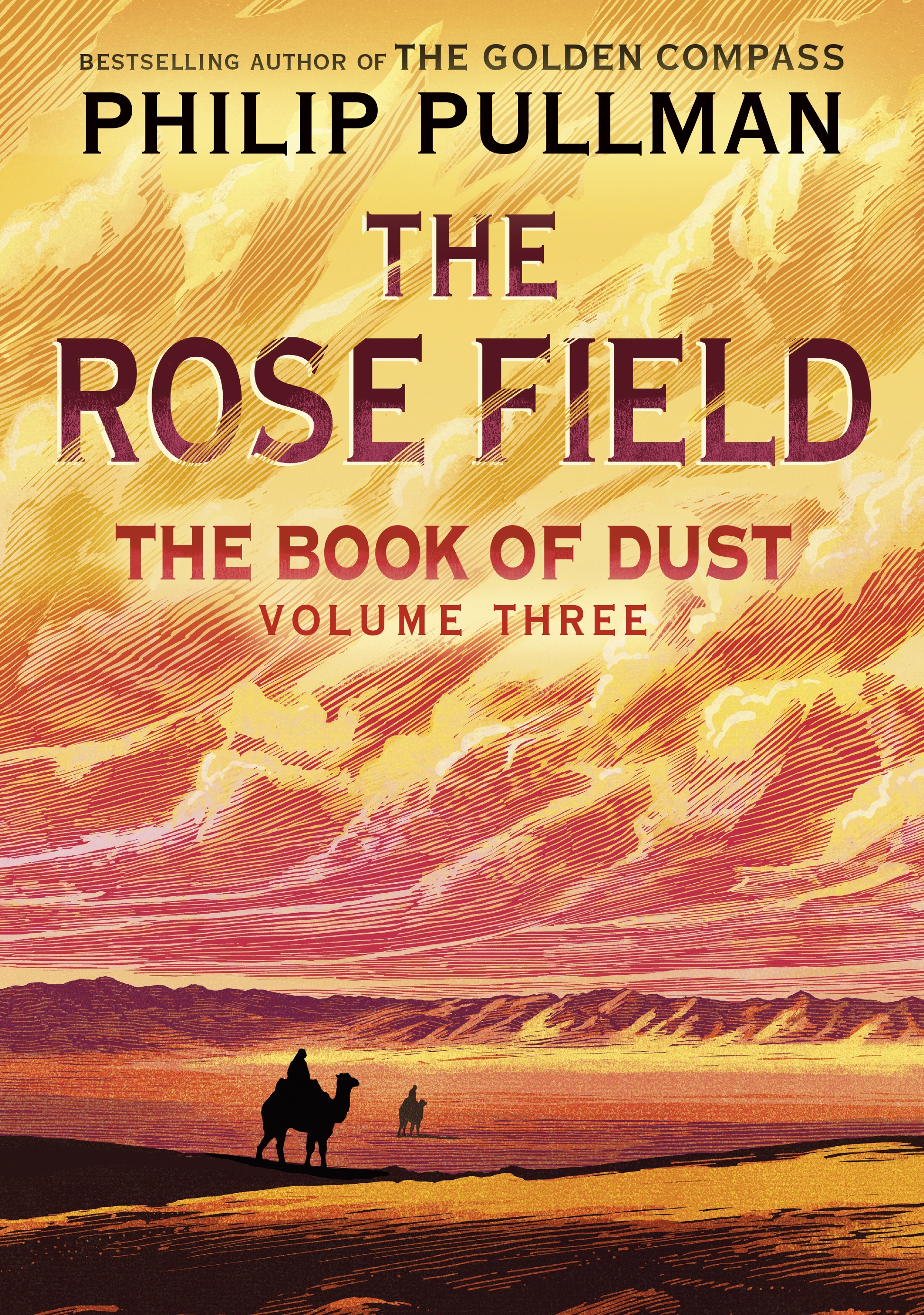
At last out!

Posted in Books, Kids, Travel with tags , , , , , , , , , , , , , on October 26, 2025 by xi'an

rationality and superstition

Posted in Books with tags , , , , , , , , on December 4, 2019 by xi'an

As I am about to read The Secret Commonwealth, the second volume in his Book of Dust trilogy, I found that Philip Pullman wrote a fairly interesting piece inspired from a visit to an 2018 exhibition at the Ashmolean Museum in Oxford, dedicated to magic and witchcraft. Which I enjoyed reading even though I do not agree with most points. Even though the human tendency to see causes in everything, hidden or even supernatural if need be, explains for superstition and beliefs in magics, the Enlightenment and rise of rationality saw the end of the witch-hunt craze of the 16th and early 17th Centuries (with close to 50,000 executions throughout Europe.

“…rationalism doesn’t make the magical universe go away (…) When it comes to belief in lucky charms, or rings engraved with the names of angels, or talismans with magic squares, it’s impossible to defend it and absurd to attack it on rational grounds because it’s not the kind of material on which reason operates. Reason is the wrong tool. Trying to understand superstition rationally is like trying to pick up something made of wood by using a magnet.”

“Whether witches were “filthy quislings” or harmless village healers, they and those who believed in witchcraft and magic existed in a shared mental framework of hidden influences and meanings, of significances and correspondences, whether angelic, diabolic, or natural (…)  a penumbra of associations, memories, echoes and correspondences that extend far into the unknown. In this way of seeing things, the world is full of tenuous filaments of meaning, and the very worst way of trying to see these shadowy existences is to shine a light on them.”

“I simply can’t agree with (Richard Dawkins’): “We don’t have to invent wildly implausible stories: we have the joy and excitement of real, scientific investigation and discovery to keep our imaginations in line.” (The Magic of Reality, 2011). If we have to keep our imaginations in line, it’s because we don’t trust them not to misbehave. What’s more, only scientific investigation can disclose what’s real. On the contrary, I’d rather say that there are times when we have to keep our reason in line. I daresay that the state of Negative Capability, where imagination rules, is in fact where a good deal of scientific discovery begins. “

la belle sauvage [book review]

Posted in Statistics with tags , , , , , , , , , , , , , , , on February 25, 2018 by xi'an

Another book I brought back from Austin. And another deeply enjoyable one, although not the end of a trilogy of trilogies this time. This book, La Belle Sauvage, is first in a new trilogy by Philip Pullman that goes back to the early infancy of the hero of His Dark Materials, Lyra. Later volumes will take place after the first trilogy.

This is very much a novel about Oxford, to the point it sometimes seems written only for people with an Oxonian connection. After all, the author is living in Oxford… (Having the boat of the two characters passing by the [unnamed] department of Statistics at St. Giles carried away by the flood was a special sentence for me!)

Also, in continuation of His Dark Materials, a great steampunk universe, with a very oppressive Church and so far a limited used of magicks! Limited to the daemons, again in continuation with past volumes…

Now, some passages of the book remind me of Ishiguro’s buried giant, in the sense that the characters meeting myths from other stories may “really” meet them or instead dream. This is for instance the case when they accost at a property where an outworldy party is taking place and no-one is noticing them. Or when they meet a true giant that is a river deity, albeit not in the spirit of Ben Aaronovitch’s Rivers of London novels.

The story is written in the time honoured setup of teenager discovery travels, with not so much to discover as the whole country is covered by water. And the travel gets a wee bit boring after a while, with a wee bit too many coincidences, the inexplicable death (?) of a villain, and an hurried finale, where the reverse trip of the main characters takes a page rather than one book…

Trivia: La Belle Sauvage was also the name of the pub in Ludgate Hill where Pocahontas and her brother Tomocomo stayed when they first arrived in London. And The Trout is a true local pub, on the other side of Port Meadow [although I never managed to run that far in that direction while staying in St. Hugh, Oxford, last time, the meadow being flooded!].

Looking forward the second volume (already written, so no risk of The Name of the Wind or Game of Thrones quagmires, i.e., an endless wait for the next volume!), hoping the author keeps up the good work, the right tension in the story, and avoids by all means parallel universes, which were so annoying in the first trilogy! (I do remember loosing interest in the story during the second book and having trouble finishing the third one. I am not sure my son [who started before me] ever completed the trilogy…)