
Archive for Morocco
The Swing of Life [Women behind the lens]
Posted in Books, pictures, Travel with tags desert, Fatimazohra Serri, football, Marrakech, Morocco, photography, The Guardian, The Swing of Life, Women behind the lens on July 19, 2026 by xi'an
2025 France Inter public selection of foreign movies
Posted in Books, pictures, Travel with tags Bob Dylan, Brazilian cinema, brutalism, Chinese cinema, France Inter, Iranian cinema, le Masque et la Plume, Morocco, movies, Norvegian cinema, Oslo, poster, Prix des Auditeurs, public selection, Sahara, Sirāt, the secret agent, US cinema on March 19, 2026 by xi'an
- Sirāt by Olivier Laxe
- One Battle After Another by Paul Thomas Anderson
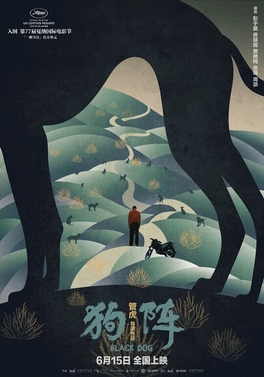
- 狗阵 (Black Dog) by Hu Guan
- O Agente Secreto by Kleber Mendonça Filho
- Affeksjonsverdi by Joachim Trier
- The Brutalist by Brady Corbet
- Ainda Estou Aqui by Walter Salles
- یک تصادف ساده (It was just an accident) by Jafar Panahi
- Kjærlighet by Dag Johan Haugerud
- A complete unknown by James Mangold


a journal of the chaos, conquest, war, [stale nuts] famine, and death year
Posted in Books, Kids, Mountains, pictures, Running, Travel with tags book review, Chamonix-Mont-Blanc, COVID-19, Daniel Defoe, film review, French cheese, hazelnut, Hiroshige, Journal of the Plague Year, Judge Dee, Kyoto, Morocco, msemen, Netflix, nut butter, onions, pizza, Ramadan, Robert van Gulik, Russian invasion, teen culture, Tokyo, torrefaction, Tōkaidō, Ukraine, Utagawa, woodcuts on May 4, 2024 by xi'an Read The Big Wall (in French), a manga by Yoji Kamata & Kunihiko Yokomizo, which my wife bought me while visiting the mountaineering Éditions Guérin in Chamonix. This is in fact a collection of seven stories about climbing and mountaineering, in Japan, the Himalayas, and Canada, all related with the same central climber. It is a bit similar to The Summit of the Gods, another if much earlier gift from my wife!, in that an outstanding climber, Yasushi, faces extreme situations, saves lesser climbers’ live while trying to solve a personal dilemma. The similarity extends to the highly unrealistic climbing situations where Yasushi survives despite all odds! I also finished Pascale Quiviger’s Royaume de Pierre d’Angle (3), again in French, with many more days and less enthusiasm than the earlier volumes as the story pace drags down to a confrontation between both royal brothers, with too many Deus ex Machina moments and the sad erosion of the ethics of
  Thibault, the current (and reluctant) king. I also started reading (the French translation) of Along the Tōkaidō trail, (Tōkaidōchū Hizakurige, 東海道中膝栗毛), by Jippensha Ikkû, which is a 1802 touring guide of the road between Tōkyō (Edo) and Kyōto, and its famous 53 stations celebrated by Utagawa Hiroshige in famous woodcuts. Its main appeal is that the guide is a pretext for a ribald novel about two rascals walking the road and the depiction of the Japan life and popular culture in the early days of the Edo Period. However, it is neither a bedside nor a travel book, since I need permanent access to internet to locate place, check the corresponding HIroshige woodprints, and read through the numerous footnotes explaining puns (like its title translating as Shank’s Mare) or special traditions, therefore travelling quite slowly on the Tōkaidō trail!
Cooked most days upon returning from the Alps, if nothing particularly novel, except for pissaladières made with Moroccan msemen basis rather than foccacia bread, since they were sold in the local bakery during Ramadan (along with Moroccan pastillas that were in high demand!). Making these “Nice pizzas” a quick dinner option, for only requiring frying onions for a few minutes and adding anchovies. I also made a few jars of hazelnut butter, upon advice from a visiting friend for using the bags of hazelnuts collected in late summer by my mother a few years ago! They had predictably turned sour but enough torrefaction hid the sourness to make the butter enjoyable (after a few attempts).
Watched a Netflix attempt at Judge Dee stories, which I found lacking when comparing with the original books by Robert van Gulik, especially since it is very loosely connected with some van Gulik’s stories (like The Chinese Bell Murders, The Chinese Gold Murders, The Haunted Monastery, The Lacquer Screen, The Red Pavilion). In addition, the underlying threat from a mysterious revolutionary organisation ruins the purpose of the story and the sleuthing abilities of Judge Dee often appear secondary. Some aspects remain appealing, like in the story centred on a puppet theatre show or the one where the central imperial authority gets questioned by the population of a Gobi town. Overall, I also disliked highly unrealistic resolutions (like the one involving a parting of the sea that was even more unbelievable than in the Ten Commandments!) and the very slow progress of Dee’s relationship with a courtesan whose past life is deeply intertwined with Dee’s family history (and missing from the books).
support for Moroccans
Posted in Kids, Travel with tags earthquake, humanitarian aid, Morocco, secours populaire, support on September 11, 2023 by xi'an
a journal of the plague year [long weekend reviews]
Posted in Books, Kids, pictures with tags amazon associates, Arnaldur Indriðason, Athèe sur Cher, Bléré, book reviews, Charles de Gaulle, chayotte, Daniel Defoe, De Gaulle airport, Denmark, films, Goussainville, Halldór Laxness, homecooking, homegrown vegetables, Iceland, Journal of the Plague Year, lockdown, MIchelin starred restaurant, Morocco, on the Internet nobody knows you're a dog, Roissy, Shannara chronicles, TV series on August 15, 2020 by xi'anRead Thinblade, ordered by mistake as I confused the author David Wells for another more famous one! An absolute disaster, from the poor quality of the printed-on-order self-published amazon-made copy to the abyssal style of the author (or of his dog). The story has no depth and no originality [a teenager discovers he must save the World against an evil entity released from captivity and gathers a team of un.be.lie.va.ble followers], the characters are uni-dimensional, either unbelievably good or complete evil and a colour comes with them to tell the hero which is which. The style (or lack thereof!) is massively indigest, with numerous repetitions about the feelings and questionings of the central characters, plus an hilarious focus on food, all menus being included in the text!, same endless drones about the incredible beauty of the visited castles a few days of ride from the hero’s farm. The plot is, again, laughably simplistic, making the Shannara books I read a few months ago sounding like an elaborate literary construct, and completely predictable. I cannot imagine myself or anyone else’s dog reading further books in the series…
Watched The Old Guard after an exhausting day, including a (physical) trip to a dreaded DIY st ore!, after reading a somewhat lukewarm review in The New Yorker… I found out later that the film is based on a comics series with the same title. And it shows from the lack of real plot (need to get quickly to Afghanistan? just drop out from a freight train in the middle of Sudan…) to the predictability of the story (set-up heroes fight bad guys and at the end, guess what, …), to the massive amount of stale gun fights with the addition of archaic weapons (to make sure everyone understands the old guard is really old!). The funniest part is actually taking place in Goussainville, France, in the ghost section of this town located on the path of De Gaulle airport planes (and thus evacuated, but not demolished), and in its Roman church (listed, hence intact!). The lack of moral imperative or of higher being driving such immortal killers, who mostly seem tired of said immortality, and the absence of connection with the locals (as e.g. in the scenes taking place in Morocco) do not make this B movie any better. (And the French character definitely has an English accent!)

Had a chance lunch in a Michelin recommended restaurant, on the road to Chenonceau and a family vacation, as we were looking for an open restaurant. The haddock appetizer was fantastic (and enough!), while the trout was not so great, presumably frozen, even though the vegetables were original (incl. chayotte) and yummy.

 Read Konungsbók (The King’s Book) by Arnaldur Indriðason, found on my mother’s bookshelves, which is a stand-alone book more of the “involuntary spy” type found in Eric Ambler‘s stories than the usual social theme detective story favoured by Indriðason. While the two involuntary spies in the story are indeed two archeolinguists blundering their way through implausible situations, against hidding Nazis and East German police, as Ambler’s The Dark Frontier, the appeal of the book is in the quest for the ultimate Icelandic saga that would close the nation’s history, The King’s Book, towards recovering other foundational and historical documents hoarded by Denmark. At some point, Halldór Guðjónsson Laxness gets the Nobel Prize in Literature, which first stuns the characters into stupefied pride and second helps them into making another unlikely escape. What I enjoyed in the novel is the feeling of ultimate importance attached to the sagas and their role in cementing Iceland as a genuine nation (again connecting with Laxness, whose books described the social desagregation produced by the American occupation).


